


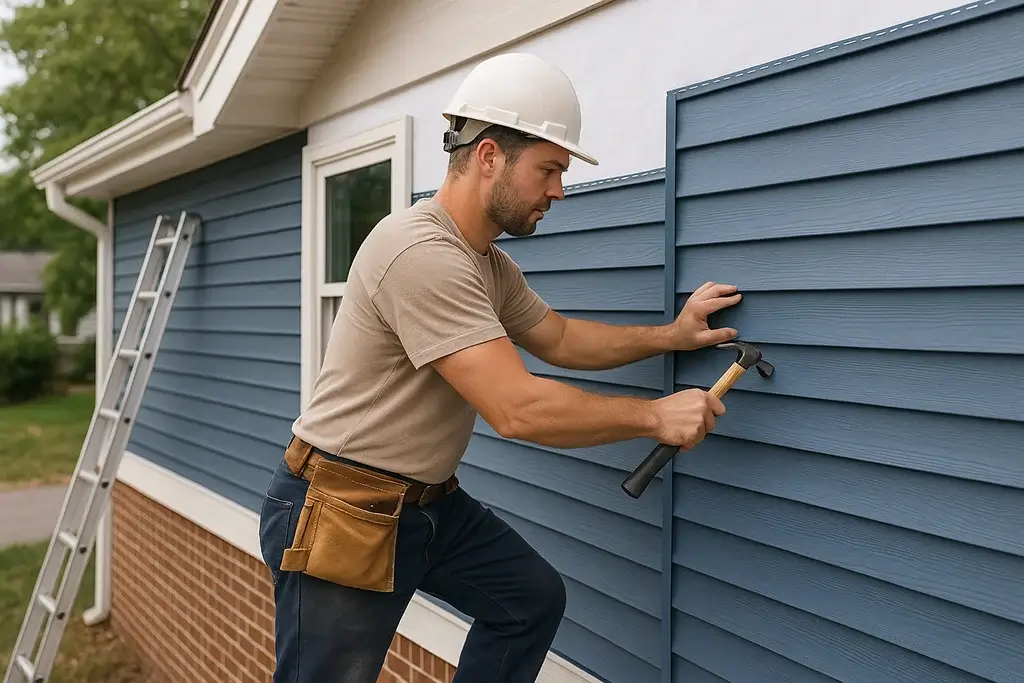
Your home’s siding is more than just a layer of curb appeal, it’s your first defense against the elements. In Lake County, OH, siding endures extreme weather changes, from snowy winters to humid summers and heavy rainstorms. That’s why following proven siding best practices is essential for keeping your home protected, insulated, and looking great year-round.
At All Heights Roofing & Construction, we specialize in siding installations that meet local standards and perform in all seasons. Whether you’re updating vinyl, fiber cement, or composite panels, these six siding best practices are critical to long-term performance and appearance.
Visit us in Lake County, OH for any siding information.
1. Start With Proper Wall Preparation
One of the most overlooked siding best practices is preparing the surface beneath the siding. Before installation, the wall should be dry, smooth, and free of old nails or uneven sheathing.
Why this matters:
- Prevents siding warping over time
- Improves panel alignment and attachment
- Allows for proper moisture barrier installation
Lake County’s freeze-thaw cycles can quickly expose sloppy prep work, so a solid start makes all the difference.
2. Always Use a High-Quality Moisture Barrier
A water-resistant barrier (WRB) is one of the most important siding best practices for homes in Lake County. It protects your sheathing from moisture infiltration while allowing vapor to escape.
Top reasons to install one:
- Prevents mold and rot behind siding
- Maintains energy efficiency year-round
- Protects against wind-driven rain and snow
We use moisture barriers with all our Siding installations to safeguard your home’s framing for the long haul.
3. Leave Expansion Gaps for Temperature Shifts
Siding materials naturally expand and contract with temperature changes. One of the most essential siding best practices is to leave space between boards and trims, especially for vinyl or composite siding.
Benefits of proper spacing:
- Prevents buckling or cracking during hot or cold spells
- Ensures siding panels stay aligned
- Maintains overall appearance and structure
Lake County’s weather can shift 30 degrees in a day, make sure your siding can breathe.
4. Nail Correctly: Not Too Tight, Not Too Loose
Improper nailing is a common cause of siding failure. A key part of siding best practices is following manufacturer guidelines for nail placement and pressure.
Best practices include:
- Nailing in the center of the slot
- Leaving 1/32” between the nail head and the panel
- Avoiding overdriven or crooked nails
Our Lake County installers know that every nail matters when siding must endure wind, ice, and heat.
5. Use Trim and Flashing to Protect Vulnerable Areas
Water always looks for weak spots, around windows, doors, corners, and rooflines. One of the smartest siding best practices is installing quality flashing and trim to redirect water away from the structure.
Benefits of flashing and trim:
- Keeps water out of framing and insulation
- Improves siding lifespan
- Enhances your home’s finished look
We always reinforce edges and penetrations as part of our siding system to avoid leaks in Lake County’s wettest seasons.
6. Clean and Inspect Your Siding Regularly
Installing siding correctly is only the beginning. Long-term durability also depends on routine maintenance. One of the easiest siding best practices is scheduling seasonal inspections and cleaning your siding once or twice a year.
Why maintenance matters:
- Removes dirt, algae, and mildew
- Spots early signs of damage before they spread
- Keeps colors vibrant and the structure healthy
Set a spring and fall schedule to inspect siding, especially after major Lake County storms or wind events for siding best practices.
Why Siding Quality and Installation Matter in Lake County
In Lake County, OH, your siding must withstand all four seasons, and then some. From sleet and hail to blazing sun and high winds, siding takes a beating. Following these siding best practices ensures you get the most out of your investment while keeping your home safe, efficient, and visually appealing.
At All Heights Roofing & Construction, we don’t just install siding, we install siding systems built to perform in our local conditions.
Final Thoughts: Protect Your Home With Expert Siding
When it comes to your exterior, shortcuts lead to expensive repairs. These six siding best practices give your home a strong defense against the elements while enhancing its appearance and energy efficiency.
Whether you’re repairing storm damage or upgrading your home’s exterior, All Heights Roofing & Construction is here to help. Visit our Siding page to explore options, materials, and schedule a consultation.
Frequently Asked Questions
How long does siding last in Lake County?
With proper installation and care, vinyl or composite siding can last 25–40 years when you know the siding best practices.
Can siding be installed in the winter?
Yes, but colder temperatures require extra care with materials and expansion gaps.
What’s the most popular siding material in the area?
Vinyl is common, but composite and fiber cement are gaining popularity for durability.
Do I need a moisture barrier behind new siding?
Yes, it’s essential for preventing mold and water damage behind the walls.
How often should siding be inspected?
At least twice a year, ideally in spring and fall or after major storms.